
Online Shopping Scams: How Customers Can Lose Both Their Money and Their Product
Introduction
Online shopping has revolutionized the way we purchase products. From smartphones and laptops to clothing, groceries, and household essentials, almost everything can now be bought with just a few clicks. While the vast majority of online transactions are completed successfully, some consumers have experienced issues such as receiving the wrong product, facing disputes during the return process, having refund requests rejected, or even losing their products while returns are being processed.
These situations can result in financial loss, frustration, and lengthy resolution processes. Understanding the potential risks and knowing how to document your purchases and returns can help protect your rights as a consumer and improve your chances of resolving disputes effectively.
This guide highlights some of the common risks associated with online shopping and provides practical tips to help consumers shop more safely and confidently.

Common Online Shopping Scams and Risks
Wrong Product Delivered
One of the most frequently reported issues in online shopping is receiving a product that is different from the one originally ordered. This can happen due to fulfillment errors, packaging mistakes, or other issues within the delivery process.
Common examples include:
- Receiving a different model or variant than the one purchased.
- Receiving a used, refurbished, or damaged product instead of a new one.
- Receiving a product with specifications, features, or accessories that do not match the product description.
- Receiving an entirely different item than what was ordered.
Such situations can be frustrating, particularly when the product is expensive or urgently needed. If the issue is not documented immediately upon delivery, it may become difficult to establish what was actually received.

Return and Refund Disputes
Most online marketplaces offer return and refund policies to give customers confidence when making purchases. While these systems resolve many issues successfully, disputes can sometimes arise during the return verification process.
Common situations include:
- The returned item is alleged to be different from the original product.
- The contents of the returned package are questioned after pickup.
- The product is reported as missing, incomplete, or damaged during inspection.
- Refund or replacement requests are rejected following an internal investigation.
When such disputes occur, consumers may find it difficult to demonstrate exactly what was returned, particularly if they have no evidence of the packaging process or the condition of the item before it was handed over.
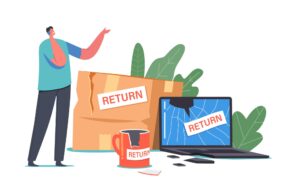
Lack of Verification During Return Pickup
When a product is collected for return, the pickup process often focuses on confirming the package rather than verifying its actual contents. In some cases, the return pickup personnel may collect a sealed package without inspecting the item inside.
This can create potential challenges because:
- Customers may not receive documented proof of the exact item that was handed over.
- Questions may arise later regarding the contents or condition of the returned package.
- It may become difficult to determine where and when any discrepancy occurred.
- Resolving disputes can be more challenging if there is limited evidence of the product’s condition and packaging at the time of pickup.
Without proper documentation, consumers may find it difficult to establish what was actually returned if a dispute arises during the verification process.

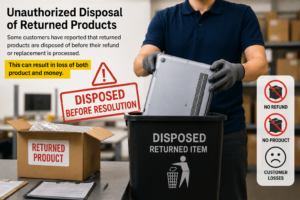
Unauthorized Disposal of Returned Products
Some consumers have reported concerns that products returned for refund or replacement were no longer available after the return verification or investigation process. In cases where a refund or replacement request is subsequently denied, the consumer may be left without either the product or its value.
Potential consequences include:
- The original product is no longer available to be returned.
- No replacement product is provided.
- The refund request is rejected following the investigation.
- The consumer incurs a significant financial loss, particularly when the item is a high-value product such as a smartphone, laptop, or other electronic device.
Situations like these can be especially challenging if there is limited documentation of the product’s condition, the return process, or the reasons provided for the final decision.
Warning Signs Consumers Should Watch For
While many customer service issues are resolved efficiently, certain patterns may indicate that your complaint requires closer attention or further escalation. Being aware of these warning signs can help you take timely action and maintain proper documentation.
Be cautious if you experience:
- Repeated delays in refund or replacement processing without a clear explanation or updated timeline.
- Inconsistent information from different customer service representatives regarding the status of your case.
- Lack of written justification for decisions related to refund or replacement requests.
- Refusal or inability to provide details about the investigation or verification process when appropriate.
- Closure of complaints without a satisfactory resolution or without adequately addressing the concerns raised.
- Requests to repeatedly submit the same documents or information, causing unnecessary delays.
- Limited or no response to follow-up communications despite multiple attempts to contact customer support.
These situations do not necessarily indicate wrongdoing, but they may suggest that your case requires additional follow-up or escalation.

How to Protect Yourself
📹 Record an Unboxing Video
For high-value purchases, recording a continuous unboxing video is one of the simplest and most effective ways to document the condition and contents of your delivery. This evidence can be invaluable if you need to report a missing, damaged, or incorrect item.
Your video should clearly capture:
- The shipping label with the tracking information.
- The condition of the package before it is opened, showing that any seals are intact.
- The complete unboxing process without interruptions or edits.
- The product as it is removed from the package.
- The product’s serial number, model number, or IMEI (where applicable).
- All accessories, manuals, and items included in the package.
Avoid pausing or editing the recording, as a continuous video provides stronger evidence if a dispute arises.
Best Practices
- Begin recording before opening the package.
- Ensure the shipping label and package are clearly visible.
- Open the package slowly so every step is captured.
- Keep the original packaging, invoice, and shipping labels until you have confirmed that the product is correct and functioning properly.
- Store the video and related photographs in a safe location for future reference.
A few minutes spent documenting the unboxing process can help protect your rights and provide valuable evidence if you need to request a replacement, refund, or raise a consumer complaint.


📦 Record the Return Process
When returning a product, especially a high-value item, it is important to create a clear record of the entire return process. Proper documentation can help establish the condition of the product at the time of return and provide valuable evidence if any questions arise later.
Before handing over the return package:
- 📸 Photograph the product from multiple angles, including its serial number or IMEI (if applicable).
- 📦 Record a continuous video while packing the product, ensuring the item, accessories, and packaging are clearly visible.
- 🏷️ Capture the shipping label and return label before sealing the package.
- 📷 Take photographs of the sealed package from all sides.
- 📄 Obtain and save the pickup receipt or confirmation provided by the courier or delivery partner.
- 🚚 Keep the tracking number and monitor the return shipment until it is successfully delivered.
A well-documented return process can help resolve disputes more effectively and provide supporting evidence if the contents or condition of the returned package are questioned.

💳 Use Secure Payment Methods
The payment method you choose can play an important role in protecting your interests if a transaction goes wrong. Some payment options provide additional safeguards, making it easier to dispute unauthorized charges or seek a refund when eligible.
To enhance your protection:
- 💳 Use credit cards whenever possible, as they may offer chargeback or dispute resolution mechanisms, subject to the card issuer’s terms and applicable laws.
- 📱 Choose trusted digital payment platforms that provide buyer protection or secure dispute resolution processes.
- 🔒 Avoid making direct bank transfers to unknown sellers, as recovering funds may be more difficult.
- 🧾 Always save payment receipts, transaction IDs, and order confirmations.
- 🛡️ Enable two-factor authentication (2FA) and transaction alerts for added account security.
Using secure payment methods can provide an additional layer of protection if a purchase results in a dispute or unauthorized transaction.
What To Do If Your Complaint Is Not Resolved
If your issue remains unresolved after contacting customer support, you may need to escalate the matter through the appropriate channels.
Consider the following steps:
- 📝 Escalate the complaint to the company’s designated grievance officer or higher-level customer support team.
- ☎️ File a complaint with the National Consumer Helpline (NCH) and obtain a complaint reference number.
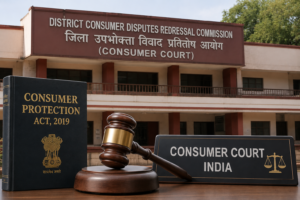
- ⚖️ Approach the appropriate Consumer Commission if the dispute remains unresolved and you believe your consumer rights have been violated.
- 📢 Share factual, evidence-based information on public consumer forums or review platforms to help raise awareness. Ensure that any information shared is accurate, objective, and supported by evidence.
- 👨⚖️ Seek legal advice for high-value purchases or complex disputes where professional guidance may be appropriate.
Why Consumer Awareness Matters
The rapid growth of e-commerce has made shopping more convenient than ever before. Millions of consumers purchase products online every day, enjoying greater choice, competitive prices, and doorstep delivery. While most transactions are completed successfully, issues such as delivery errors, return disputes, communication gaps, and procedural failures can sometimes occur.
Being an informed consumer is the best way to reduce these risks. Understanding your rights, maintaining proper documentation, and following recommended practices can make it easier to resolve disputes and protect your interests if problems arise.
Consumers should not assume that every complaint will be resolved automatically. Keeping clear records and knowing the appropriate channels for escalation can significantly improve the likelihood of a fair and timely resolution.
Conclusion
Online shopping remains a safe and convenient way to purchase goods, but it is important to stay vigilant—particularly when buying high-value products. Taking a few simple precautions can help protect you from unnecessary disputes and financial loss.
Remember to:
- ✅ Record a continuous unboxing video when your order arrives.
- ✅ Save invoices, shipping labels, and photographs of serial numbers.
- ✅ Document the entire return process, including packaging and pickup.
- ✅ Preserve all emails, chat conversations, receipts, tracking details, and support ticket numbers.
- ✅ Escalate unresolved complaints through the seller’s official grievance mechanism, the National Consumer Helpline, or the appropriate Consumer Commission when necessary.
Consumer awareness is one of the most effective tools for preventing misunderstandings and protecting your rights in the digital marketplace. By staying informed, maintaining thorough documentation, and acting promptly when issues arise, you can shop with greater confidence and be better prepared to resolve disputes if they occur.
Stay alert. Shop wisely. Document every step. An informed consumer is a protected consumer.