Understanding Yellowing of the Skin and Eyes
📍What i s Jaundice?
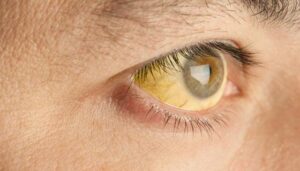
Jaundice is a condition in which the skin, whites of the eyes, and sometimes the mucous membranes turn yellow
because there is too much bilirubin in the blood.
Bilirubin is a yellow substance made when the body breaks down old red blood cells. Normally, the liver processes bilirubin
and removes it through bile.
⚠️ Common Causes of Jaundice in Adults
🔹Liver Diseases
The liver processes bilirubin. When it is damaged, bilirubin builds up in the body.
• Hepatitis (viral hepatitis A, B, C, etc.)
• Cirrhosis
• Fatty liver disease
• Alcohol-related liver disease
• Liver cancer
🔹Blockage of Bile Ducts
Bile carries bilirubin from the liver to the intestine. If the ducts are blocked, jaundice can occur.
• Gallstones
• Tumors of the pancreas or bile ducts
• Narrowing (stricture) of bile ducts
🔹Increased Breakdown of Red Blood Cells
When red blood cells are destroyed faster than normal, excess bilirubin is produced.
• Hemolytic Anemia
• Certain inherited blood disorders
• Reactions to some medications
🔹Infections
Some infections can affect the liver and lead to jaundice.
• Viral hepatitis
• Severe bacterial infections
• Malaria
🔹Medications and Toxins
Certain drugs can damage the liver or interfere with bilirubin processing.
Examples:
• Some antibiotics
• Certain anti-seizure medications
• Excessive use of acetaminophen/paracetamol
• Alcohol
🔹Pancreatic Disorders
Conditions affecting the pancreas can block bile flow.
• Pancreatitis
• Pancreatic cancer
🚨Common Symptoms of Jaundice
🔹Yellowing of the Eyes and Skin
The most noticeable symptom is:
• Yellow discoloration of the whites of the eyes (sclera)
• Yellowing of the skin
🔹Dark Urine
• Urine may appear dark yellow, amber, or tea-colored.
• This occurs when excess bilirubin is excreted through the kidneys.
🔹Pale or Clay-Colored Stools
• Stools may become pale, gray, or clay-colored.
• This can indicate a blockage in the bile ducts.
🔹Itchy Skin (Pruritus)
• Persistent itching can occur due to bile salt accumulation in the skin.
🔹Fatigue and Weakness
• Many people experience:
a) Tiredness
b) Low energy
c) General weakness
🔹Abdominal Pain
• Pain or discomfort may occur, especially in the upper right side of the abdomen where the liver is located.
🔹Nausea and Vomiting
• Digestive symptoms are common in liver and gallbladder disorders.
🔹Loss of Appetite
• Reduced desire to eat
• Early fullness after meals
🔹Unexplained Weight Loss
• Significant weight loss may occur in chronic liver disease or bile duct disorders.
🔹Fever
• Fever along with jaundice may indicate:
a) Liver infection
b) Bile duct infection
c) Viral hepatitis
🩺 When to Seek Medical Attention
Adults should seek medical evaluation promptly if jaundice appears, especially if it is accompanied by:
• Fever
• Severe abdominal pain
• Confusion
• Persistent vomiting
• Unexplained weight loss
Jaundice itself is a symptom, not a disease. Identifying and treating the underlying cause is important.
🔬Diagnosis of Jaundice in Adults
The diagnosis focuses on finding the underlying cause of the elevated bilirubin.
✔️ Medical History
A doctor may ask about:
• When the yellowing started
• Alcohol consumption
• Medications and supplements
• Recent infections
• Travel history
• Family history of liver disease
• Abdominal pain, fever, weight loss, itching, dark urine, or pale stools
✔️ Physical Examination
The doctor checks for:
• Yellowing of the eyes and skin
• Enlarged liver or spleen
• Abdominal tenderness
• Signs of chronic liver disease (swelling, spider angiomas, fluid in the abdomen)
✔️ Blood Tests
🔹Bilirubin Test
• Normal total bilirubin: 0.3–1.2 mg/dL
• Jaundice usually becomes visible when bilirubin exceeds 2–3 mg/dL
🔹Liver Function Tests (LFTs)
• ALT (Alanine Aminotransferase)
• AST (Aspartate Aminotransferase)
• ALP (Alkaline Phosphatase)
• GGT (Gamma-Glutamyl Transferase)
• Albumin
• PT/INR (blood clotting)
🔹Other Blood Tests
• Complete Blood Count (CBC)
• Hepatitis screening
• Hemolysis tests (reticulocyte count, LDH, haptoglobin)
✔️ Imaging Studies
• Ultrasound: First-line test to detect gallstones, bile duct blockage, or liver abnormalities.
• CT Scan: Provides detailed images of the liver and surrounding organs.
• MRCP: Specialized MRI to visualize bile ducts and pancreatic ducts.
✔️ Specialized Tests
• ERCP (Endoscopic Retrograde Cholangiopancreatography) for diagnosis and treatment of bile duct obstruction.
• Liver biopsy if the cause remains unclear.
📘 Interpretation of Results :
🩺 When to Seek Urgent Care
Seek immediate medical attention if jaundice is accompanied by:
• High fever
• Severe abdominal pain
• Confusion or altered consciousness
• Persistent vomiting
• Bleeding tendency
🧪 Normal Bilirubin Levels in Adults
• Total Bilirubin: 0.3–1.2 mg/dL
• Direct Bilirubin: 0–0.3 mg/dL
• Indirect Bilirubin: 0.2–0.9 mg/dL
If bilirubin levels rise above normal, jaundice may become visible.
📝Conclusion:
Jaundice itself is not a disease but a sign of an underlying medical condition.
Early diagnosis and treatment of the underlying cause can prevent serious complications and support liver health.
✅ Foods to Eat
🍎 Fresh Fruits & Vegetables
Choose easily digestible, hydrating fruits and vegetables rich in vitamins and antioxidants.
👍Good choices:
• Papaya
• Watermelon and muskmelon
• Apples
• Bananas
• Citrus fruits (orange, sweet lime, lemon)
• Carrots
• Beetroot
• Spinach
• Cucumber
• Pumpkin
🫘 Lean Proteins
Protein supports tissue repair and recovery without excessive fat.
👍Good choices:
• Moong dal and other lentils
• Tofu
• Low-fat curd/yogurt
• Egg whites
• Steamed or boiled fish
• Skinless chicken (if advised by the doctor)
🥙 Whole Grains
Provide steady energy and are generally easy to digest.
👍Good choices:
• Steamed rice
• Oats
• Dalia (broken wheat)
• Whole wheat roti
• Quinoa
💧Hydrating Fluids
Adequate hydration helps maintain overall health and prevents dehydration.
👍 Good choices:
• Safe drinking water
• Coconut water
• Lemon water
• Clear vegetable soups
• Oral rehydration fluids if recommended
About sugarcane juice: It is commonly consumed during jaundice in India, but there is limited scientific evidence that
it directly lowers bilirubin. If consumed, ensure it is freshly prepared under hygienic conditions to reduce the risk of infection.
❌ Foods to Avoid
🔹Alcohol
• Avoid completely until the cause of jaundice is identified and liver function has recovered.
🔹Oily and Fried Foods
• Deep-fried snacks
• Fast food
• Excessive butter, ghee, and cream
🔹Heavy and Highly Processed Foods
• Processed meats
• Packaged snacks
• Foods high in saturated and trans fats
🔹Excess Sugar
• Soft drinks
• Sweets
• Sugary desserts
🔹Very Spicy Foods
These do not damage the liver directly, but they may worsen nausea, indigestion, or abdominal discomfort in some people.
❓ Frequently Asked Questions (FAQ) About Jaundice in Adults
🔹What is the main cause of jaundice in adults?
Jaundice occurs when bilirubin builds up in the blood. Common causes include liver diseases (such as hepatitis and cirrhosis),
gallstones, bile duct obstruction, excessive breakdown of red blood cells and pancreatic disorders.
🔹Is jaundice contagious?
Jaundice itself is not contagious. However, some underlying causes, such as viral hepatitis A, B, and C, can spread from person to person.
🔹How long does jaundice last in adults?
The duration depends on the underlying cause. Mild cases may resolve within a few weeks, while jaundice caused by chronic liver disease
or bile duct obstruction may require longer treatment.
🔹Can jaundice go away on its own?
Some mild cases improve once the underlying issue resolves. However, adults with jaundice should always seek medical evaluation to
determine the cause.
🔹What color is urine during jaundice?
Urine often becomes dark yellow, amber, or tea-colored because excess bilirubin is excreted through the kidneys.
🔹Can stress cause jaundice?
Stress alone does not cause jaundice. However, stress may worsen symptoms of existing liver conditions or affect overall health.
🔹Is jaundice a sign of liver failure?
Not always. Jaundice can occur with mild liver problems, infections, gallstones, or blood disorders. However, it can also be a sign of
severe liver disease and should be evaluated by a doctor.
🔹Can adults eat eggs during jaundice?
Yes. Egg whites are generally considered a good source of lean protein. People with severe liver disease should follow their doctor’s
dietary recommendations.
🔹Is sugarcane juice beneficial for jaundice?
Sugarcane juice is commonly consumed during jaundice in India, but there is limited scientific evidence that it directly lowers
bilirubin levels. If consumed, it should be prepared hygienically.
🔹When should I seek emergency medical care?
Seek immediate medical attention if jaundice is accompanied by:
• High fever
• Severe abdominal pain
• Persistent vomiting
• Confusion or altered consciousness
• Bleeding tendency
• Rapid worsening of symptoms