Understanding the Pancreas
Function, Insulin & Blood Sugar Control
Quick Summary:
The pancreas helps digest food and control blood sugar levels. It produces digestive enzymes, insulin, and glucagon to keep the body functioning properly.
📍 What is the Pancreas?
The pancreas is a soft, elongated gland located behind the stomach in the upper abdomen. It is approximately 6 inches long and is connected to the small intestine.
The pancreas works as both:
- A digestive organ
- A hormone-producing gland
This dual role makes it essential for maintaining overall health.
⚙️ Main Functions of the Pancreas
The pancreas has two major jobs:
1️⃣ Digestive Function (Exocrine Function)
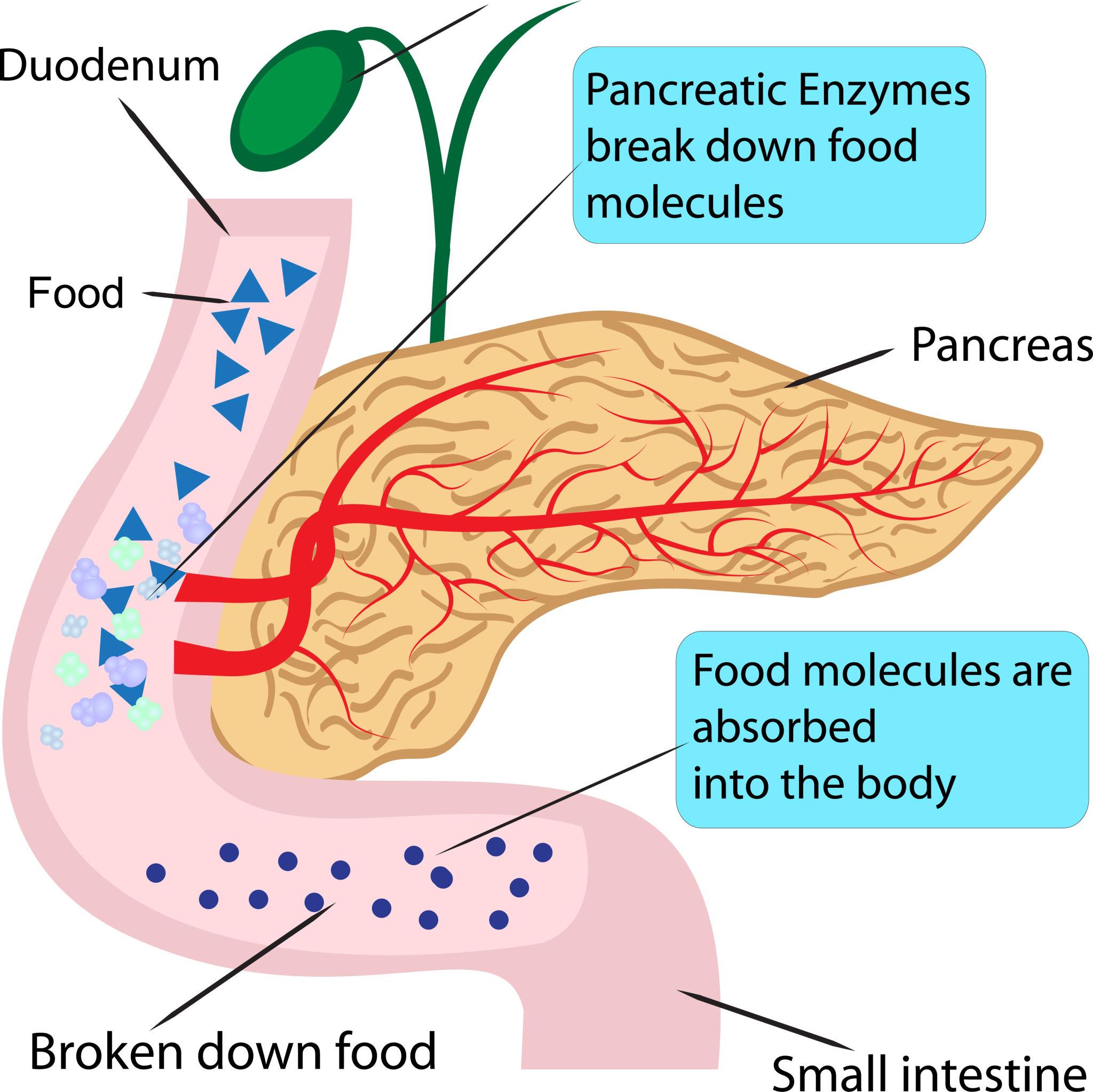
The pancreas produces digestive enzymes that help break down:
- Fats
- Proteins
- Carbohydrates
These enzymes travel into the small intestine where digestion takes place.
2️⃣ Hormonal Function (Endocrine Function)
The pancreas releases hormones directly into the bloodstream, mainly:
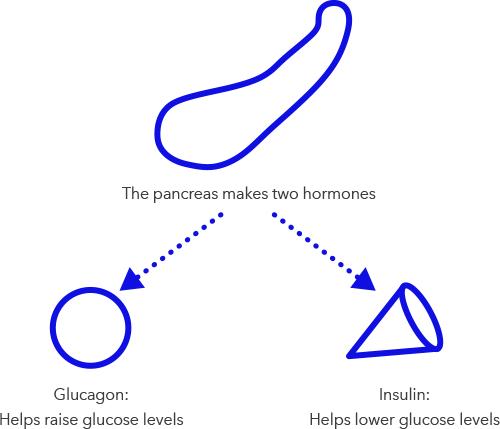
- Insulin – lowers blood sugar
- Glucagon – raises blood sugar
Together, these hormones help keep blood sugar levels balanced.
⚠ Common Pancreas-Related Diseases
🔹 Diabetes
Occurs when the body cannot produce enough insulin or cannot use insulin properly.
🔹 Pancreatitis
Inflammation of the pancreas that may cause severe abdominal pain.
🔹 Pancreatic Cancer
A serious condition that is often difficult to detect in early stages.
🔹 Pancreatic Insufficiency
The pancreas does not produce enough digestive enzymes, leading to poor digestion.
🚨 Symptoms of Pancreatic Problems
Common warning signs may include:
- Upper abdominal pain
- Nausea and vomiting
- Unexplained weight loss
- Loss of appetite
- Fatigue
- Jaundice (yellowing of skin and eyes)
- High blood sugar levels
If symptoms persist, medical consultation is important.
🥗 Tips to Keep Your Pancreas Healthy
✅ Eat a Balanced Diet
Focus on:
- Fruits and vegetables
- Whole grains
- Lean proteins
- Healthy fats
✅ Stay Hydrated
Drinking enough water supports digestion and overall organ function.
✅ Avoid Excess Alcohol
Heavy alcohol use can damage the pancreas.
✅ Maintain Healthy Blood Sugar
Regular exercise and healthy eating help prevent diabetes.
✅ Avoid Smoking
Smoking increases the risk of pancreatic cancer.
🩺 When to See a Doctor
Seek medical attention if you experience:
- Severe or persistent abdominal pain
- Sudden unexplained weight loss
- Frequent vomiting
- Yellow skin or eyes
- Symptoms of high blood sugar
Early diagnosis can significantly improve treatment outcomes.
💉 What is Insulin?
Insulin is a vital hormone produced by the pancreas that helps control the amount of sugar (glucose) in the blood.
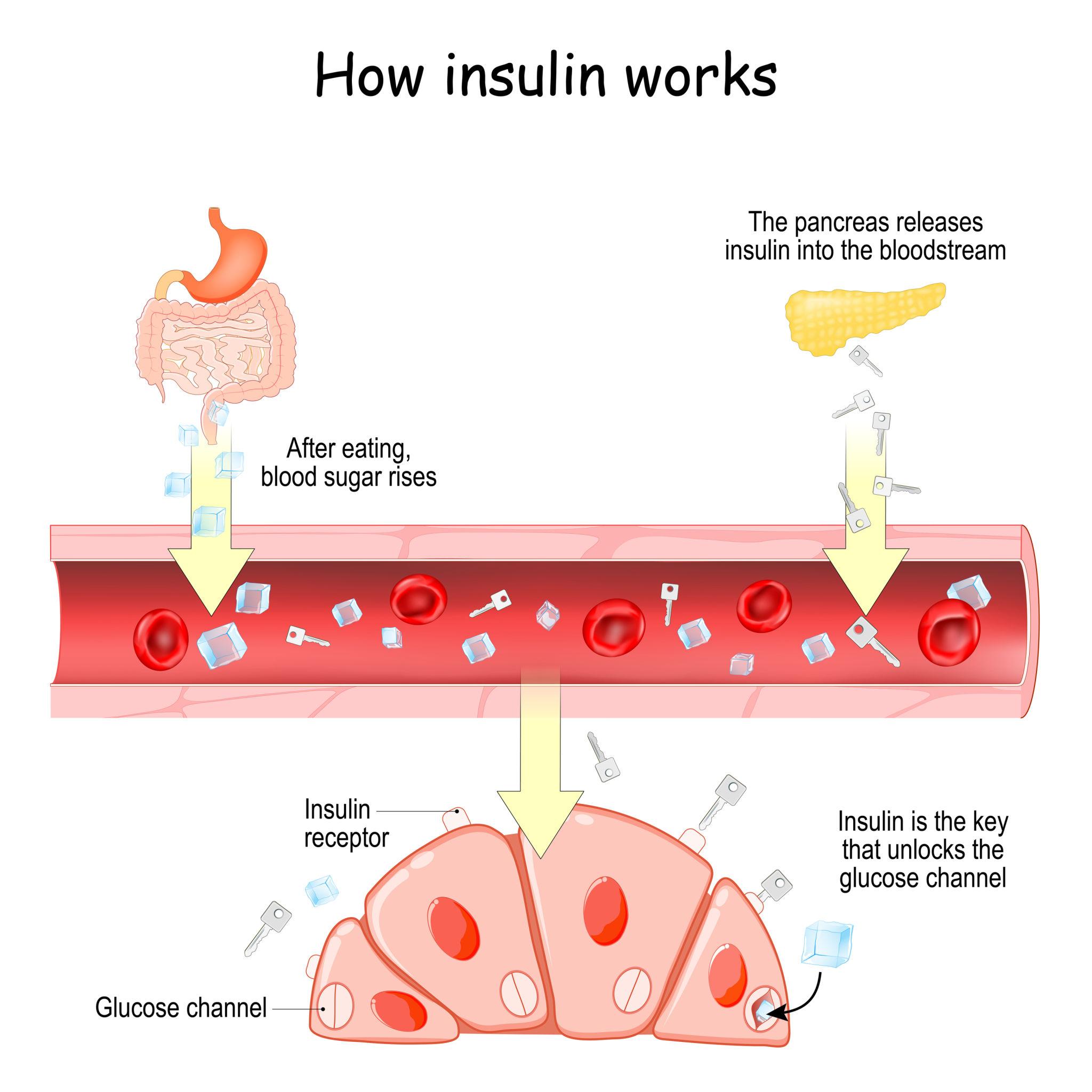
It acts like a “key” that allows glucose to enter the body’s cells, where it is used for energy.
Without insulin, sugar stays in the bloodstream instead of reaching the cells, causing blood sugar levels to rise.
⚙ How Insulin Works
After you eat food:
- Carbohydrates are broken down into glucose
- Glucose enters the bloodstream
- The pancreas detects rising blood sugar
- Insulin is released
- Insulin helps glucose enter body cells
- Cells use glucose for energy
This process keeps blood sugar levels balanced.
🍞 Why is Insulin Important?
Insulin is essential because it:
- Controls blood sugar levels
- Provides energy to cells
- Helps store extra glucose for future use
- Supports normal body metabolism
Without proper insulin function, it can lead to Diabetes Mellitus.
⚠ What Happens When Insulin Does Not Work Properly?
🔹 Type 1 Diabetes
The body produces little or no insulin because the immune system attacks the insulin-producing cells.
🔹 Type 2 Diabetes
The body still produces insulin, but the cells become resistant to it.
🔹 Insulin Resistance
Cells stop responding effectively to insulin, causing high blood sugar levels.
🚨 Symptoms of Insulin Problems
Common symptoms may include:
- Increased thirst
- Frequent urination
- Fatigue
- Blurred vision
- Unexplained weight loss
- Increased hunger
Persistent symptoms should be evaluated by a healthcare professional.
🥗 Ways to Support Healthy Insulin Function
✅ Eat a Healthy Diet
Choose:
- Whole grains
- Vegetables
- Fruits
- Lean proteins
✅ Exercise Regularly
Physical activity improves insulin sensitivity.
✅ Maintain Healthy Weight
Excess body fat can increase insulin resistance.
✅ Limit Sugary Foods
Too much sugar may strain blood sugar control.
✅ Get Regular Health Checkups
Monitoring blood sugar levels helps detect problems early.
🔄 What is Glucagon?
Glucagon is a hormone produced by the pancreas that helps raise blood sugar levels when they become too low. It works opposite to insulin and plays a key role in maintaining stable blood glucose levels.
While insulin lowers blood sugar, glucagon increases it when the body needs extra energy.
🩺 Where is Glucagon Produced?
Glucagon is produced by alpha cells in the pancreas, specifically within clusters called the Islets of Langerhans.
The pancreas releases glucagon mainly when:
- Blood sugar levels drop
- The body is fasting
- During intense exercise
- Between meals
⚙ How Glucagon Works
When blood sugar becomes low:
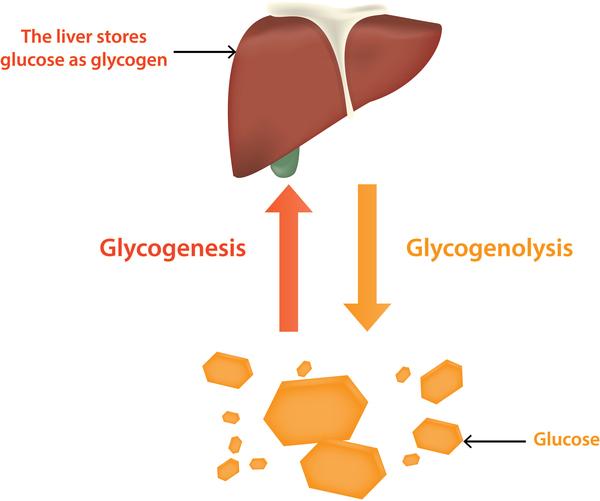
- The pancreas releases glucagon
- Glucagon signals the liver
- The liver breaks down stored glycogen into glucose
- Glucose is released into the bloodstream
- Blood sugar levels rise back to normal
This process helps ensure the brain and body continue receiving enough energy.
🔹 Functions of Glucagon
- Raises blood sugar levels
- Releases stored glucose from the liver
- Maintains energy balance
⚠️ What is Insulin Resistance?
Insulin resistance occurs when the body’s cells do not respond properly to insulin. As a result, glucose remains in the bloodstream and blood sugar levels increase.
🚨 Possible Risks
- Type 2 Diabetes
- Heart disease
- Obesity
- Fatty liver disease
🚨 Causes of Insulin Resistance
- Obesity
- Lack of physical activity
- High sugar & processed foods
- Family history/genetics
- Poor sleep and stress
🛠️ Prevention & Management
✔️ Healthy Habits
- Eat a balanced high-fiber diet
- Reduce sugary foods
- Exercise regularly
- Maintain healthy body weight
- Sleep properly & manage stress
✔️ Medical Support
- Regular health check-ups
- Monitor blood sugar levels
- Take medications if prescribed
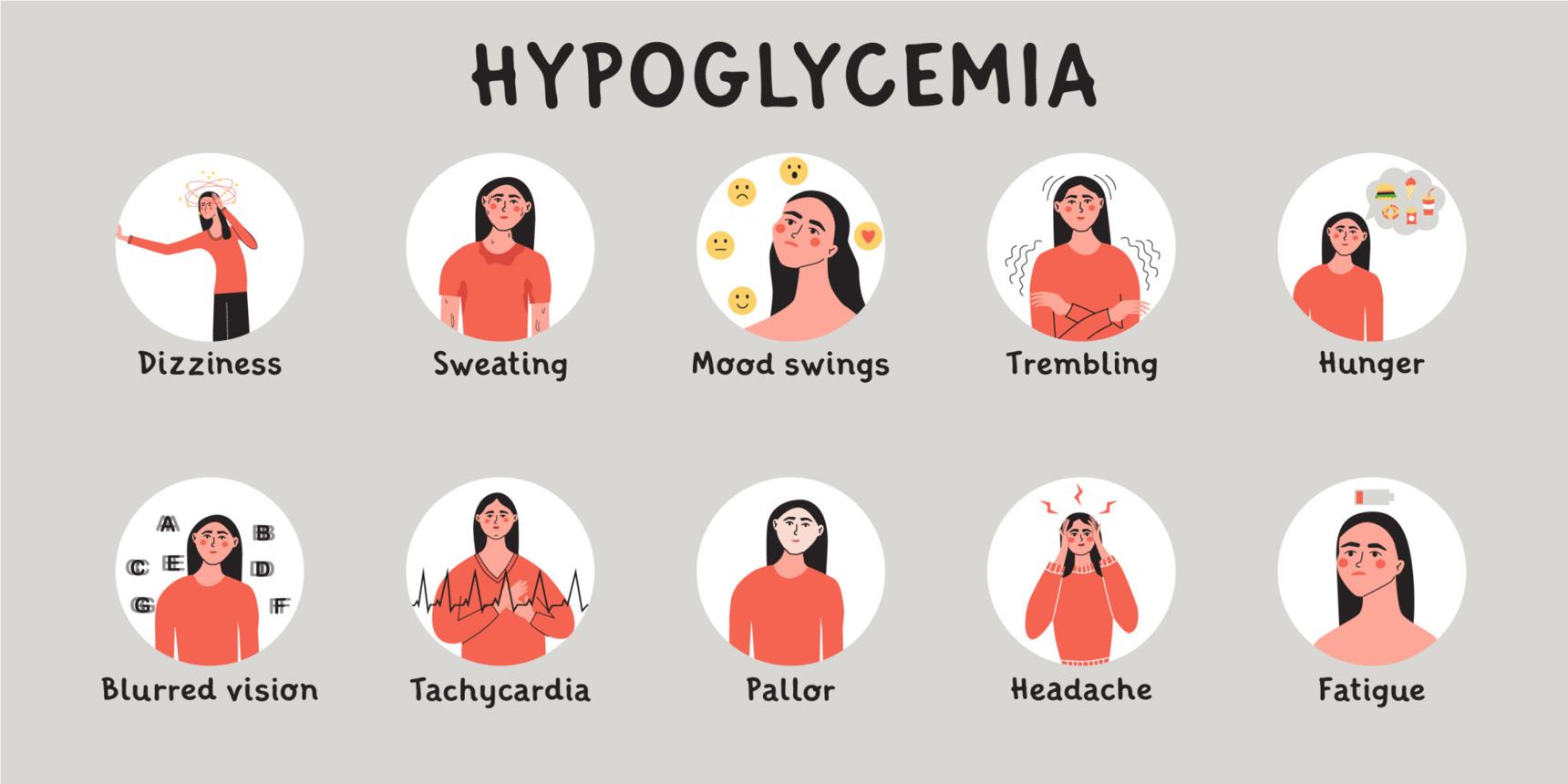
👉 “I-G Balance Rule”
- I = Insulin → Decreases blood sugar
- G = Glucagon → Increases blood sugar
❓ Frequently Asked Questions
Can pancreas problems cause diabetes?
Yes.
If the pancreas cannot produce enough insulin, blood sugar levels may rise and lead to diabetes.
Can insulin resistance be reversed?
In many cases, healthy lifestyle changes can improve insulin resistance significantly.
What foods help pancreatic health?
High-fiber foods, fruits, vegetables, whole grains, and healthy proteins support pancreatic function.
Stay Healthy & Stay Informed
Healthy lifestyle choices can protect pancreatic function and reduce the risk of diabetes.